
 EN
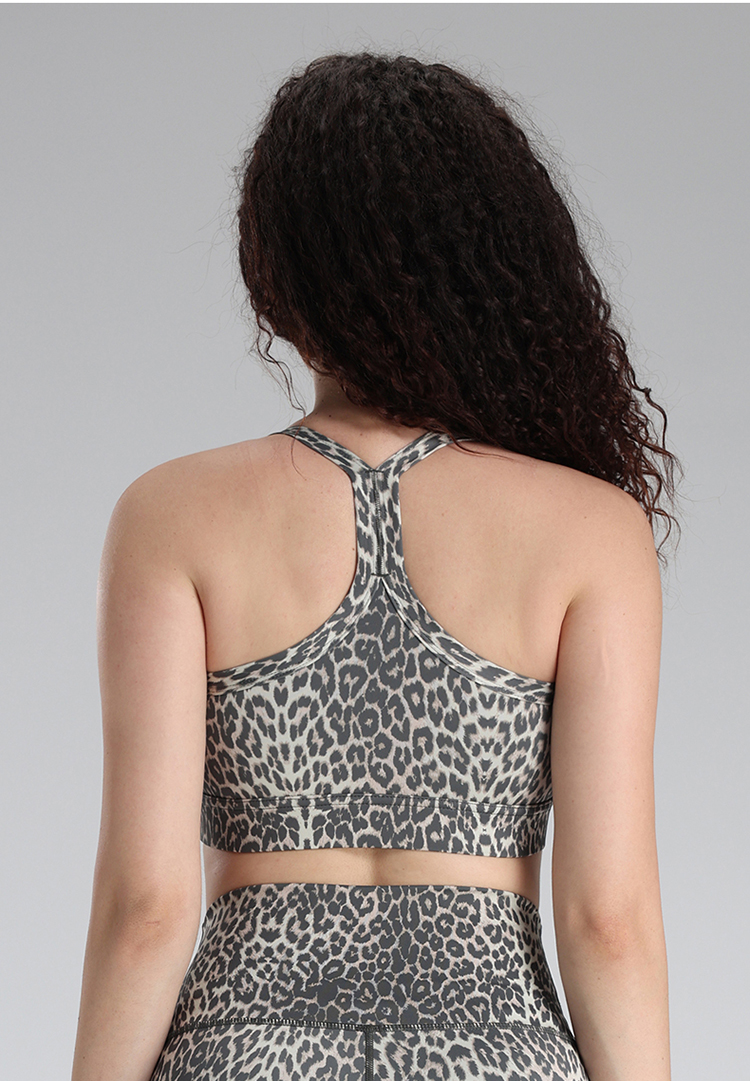
End-to-End Custom Sports Bra Manufacturing for Private Label Success
From concept to shelf: Integrated design, sampling, production, QC, labeling, and global shipping
Private label brands lose time—and consistency—when design, sampling, production, quality control, labeling, and shipping are split across multiple suppliers. A single custom sports bra partner that manages the full journey—from tech pack and pattern engineering through sample approval, bulk sewing, QC, labeling, and global freight—eliminates handoff delays and ensures fit integrity across sizes.
A strong development brief starts with clear parameters: target support level, intended activities (e.g., yoga vs. running), size range, and brand aesthetic. According to a 2023 activewear sourcing benchmark, consolidating these functions under one partner shortens concept-to-shelf timelines by 25–40% compared with fragmented sourcing.
| Stage | Key actions | Private label benefit |
|---|---|---|
| Design & sampling | Tech pack creation, pattern engineering, prototype sewing | Validates fit and support before bulk |
| Production | Fabric cutting, bonding, padding insertion, seam construction | Maintains consistency across sizes |
| QC & labeling | Inline inspections, final quality checks, woven labels, hangtags | Protects brand trust and retail readiness |
| Global shipping | Export documentation, carton marks, freight forwarding | Simplifies replenishment and market entry |
This integrated model is especially valuable for startups and boutique activewear brands that lack bandwidth to manage multiple vendors. It ensures padding density, strap placement, and logo application align precisely with the approved sample. By unifying design, production, QC, and fulfillment, brands can scale confidently—from small test runs to seasonal orders—without rebuilding supplier relationships. The result? More time spent on marketing, customer insights, and product iteration—not chasing status updates.
Low MOQs and rapid-turnaround sampling—validate fit, function, and brand alignment before scaling
Low minimum order quantities (MOQs) and fast sampling are essential for private label sports bra programs, particularly for new brands validating product-market fit. Some full-service partners offer MOQs as low as 20 pieces per style, with samples delivered in 7 days and bulk production completed in just 14 days.
This agility enables brands to test critical performance criteria before committing to large inventory:
- Fit: band tension, shoulder strap placement, cup coverage, and no-dig seams
- Function: support during target activities, moisture management, and shape retention
- Brand alignment: logo position, color and trim choices, and retail-ready packaging
Unlike traditional high-MOQ overseas programs—which often require thousands of units before a design is proven—this approach reduces financial risk. Brands can launch a small run, gather real-world feedback, refine the pattern, and scale only after fit and function are confirmed. Rapid sampling also accelerates decision-making for buyers and category managers, supporting timely seasonal launches or influencer-led drops. The outcome is a more resilient, evidence-based private label strategy—not one built on speculation.
Performance-Driven Custom Sports Bra Design: Fabric, Fit, and Functionality
A high-performance custom sports bra emerges from the precise interplay of fabric, stretch recovery, seam placement, lining, elastic, and pattern geometry. For private label brands, every material and construction choice must serve a defined activity—not just a static size.
Tailored biomechanical fit, premium performance fabrics, and construction options for target activity levels
Compression styles press the chest wall and suit A–B cup sizes in low-to-moderate impact activities like yoga, Pilates, and weight training. Encapsulation designs use molded cups to support each breast independently and are recommended for C–DD+ cup sizes in running, HIIT, and competitive sports—many combine encapsulation with light compression. Fit depends on more than cup volume: underband width, strap adjustability, back design, and neckline coverage all influence biomechanical support.
Construction should reflect activity level, price point, and visual identity. Seamless bras minimize visible lines and deliver smooth next-to-skin comfort. Cut-and-sew styles allow for paneling, color blocking, branded details, and targeted support zones. Claims about moisture management must be backed by verified fabric specifications—not marketing language alone.
| Support level | Typical construction | Recommended features |
|---|---|---|
| Low impact | Seamless or light compression | Soft stretch, pullover racerback, minimal seams |
| Medium impact | Compression or hybrid | Wider underband, adjustable straps, moderate coverage |
| High impact | Encapsulation or compression-hybrid | Molded cups, reinforced underband, wider straps, breathable panels |
Brands should confirm padding options—removable, fixed, or none—and evaluate how grading is handled across the full size range before sampling.
Why fit consistency is the #1 scaling challenge—and how custom pattern engineering solves it
Fit inconsistency is the most common barrier to scaling: a size S may perform flawlessly while an XL fails completely. This happens when brands evaluate only one sample size—or assume uniform scaling across the range. Custom pattern engineering avoids this by adjusting each grade individually: for fuller busts, it adds reinforced support structures and wider straps—not just scaled-up versions of the same cup.
Test a representative size under actual movement conditions, and verify how grading is managed in production. That verification step prevents the most frequent scaling defect: a garment that fits in small sizes but collapses in larger ones.
Strategic Brand Integration Across Custom Sports Bra Elements
Logo placement science: Balancing visibility, comfort, and durability on high-movement zones
Logo placement affects both brand recognition and wearer experience. Chest placement offers maximum visibility but risks chafing if dense embroidery is used on high-compression front panels. Back yoke and underband positions provide strong visibility during workouts while minimizing skin friction. Heat transfer and silicone prints work best for next-to-skin zones—they remain thin, flexible, and durable. Woven patches add premium texture but may feel stiff during high-impact movement. For longevity, logos on stretch panels require flexible inks or strategic placement away from anchor points and underwire channels. Placement decisions must also account for strap width and band height to avoid visual distortion when the garment stretches.
A practical validation process tests each placement across multiple sizes and wash cycles to confirm print adhesion, seam flatness, and long-term comfort.
| Placement | Visibility | Comfort risk | Best application method |
|---|---|---|---|
| Chest | High | Chafing if dense embroidery | Thin heat transfer or silicone print |
| Back yoke | Medium-high | Low friction | Woven patch or heat transfer |
| Underband | High in classes | Pressure if raised | Flat silicone print |
| Shoulder strap | Low-medium | Irritation risk | Avoid or slim woven label |
Coordinated branding ecosystem: Woven labels, hangtags, retail-ready packaging, and unboxing experience
A cohesive branding ecosystem elevates a private label sports bra from functional apparel to intentional brand expression—from first touch to final unboxing. Woven neck and care labels should use soft backing to prevent irritation during movement. Size labels must meet regional requirements, including multi-language text where relevant. Hangtags reinforce key differentiators—support level, fabric performance, and care instructions—while strengthening brand voice. Retail-ready packaging includes individual polybags, barcode stickers, and standardized carton marks to streamline distribution.
The unboxing experience need not be elaborate—but it must be consistent: branded tissue paper, minimalist thank-you cards, or compostable mailers build emotional connection and repeat purchase intent. Typography, label finishes, and packaging colors should align with the core brand guide. Suppliers should provide digital proofs before bulk production to confirm spacing, legibility, and material adhesion. When labels and barcodes are pre-applied at the factory, inventory management becomes simpler and error rates drop.
This level of integration helps emerging brands compete credibly with established players—enhancing shelf presence in physical retail and reinforcing brand authority in online storefronts.
Frequently Asked Questions
What is the advantage of an integrated custom sports bra partner?
An integrated partner manages the entire process from design through shipping, reducing delays and ensuring consistency in fit, quality, and branding across all sizes.
What are the typical minimum order quantities (MOQs) for private label sports bras?
Many full-service manufacturers offer low MOQs, sometimes as few as 20 pieces per style, allowing smaller brands to test the market before scaling production.
How can private label brands ensure consistent fit across all sizes?
Consistency can be achieved through custom pattern engineering, where each grade is individually adjusted rather than simply scaling up one initial design.
What elements of branding can be customized on private label sports bras?
Brands can customize logo placement, woven labels, hangtags, packaging, and the unboxing experience, ensuring their products reflect their brand identity.
How long does it take to move from sampling to bulk production?
With rapid sampling partners, samples can be delivered in 7 days, and bulk production completed in 14 days, significantly accelerating time-to-market.
Table of Contents
- End-to-End Custom Sports Bra Manufacturing for Private Label Success
- Performance-Driven Custom Sports Bra Design: Fabric, Fit, and Functionality
- Strategic Brand Integration Across Custom Sports Bra Elements
-
Frequently Asked Questions
- What is the advantage of an integrated custom sports bra partner?
- What are the typical minimum order quantities (MOQs) for private label sports bras?
- How can private label brands ensure consistent fit across all sizes?
- What elements of branding can be customized on private label sports bras?
- How long does it take to move from sampling to bulk production?