

 EN
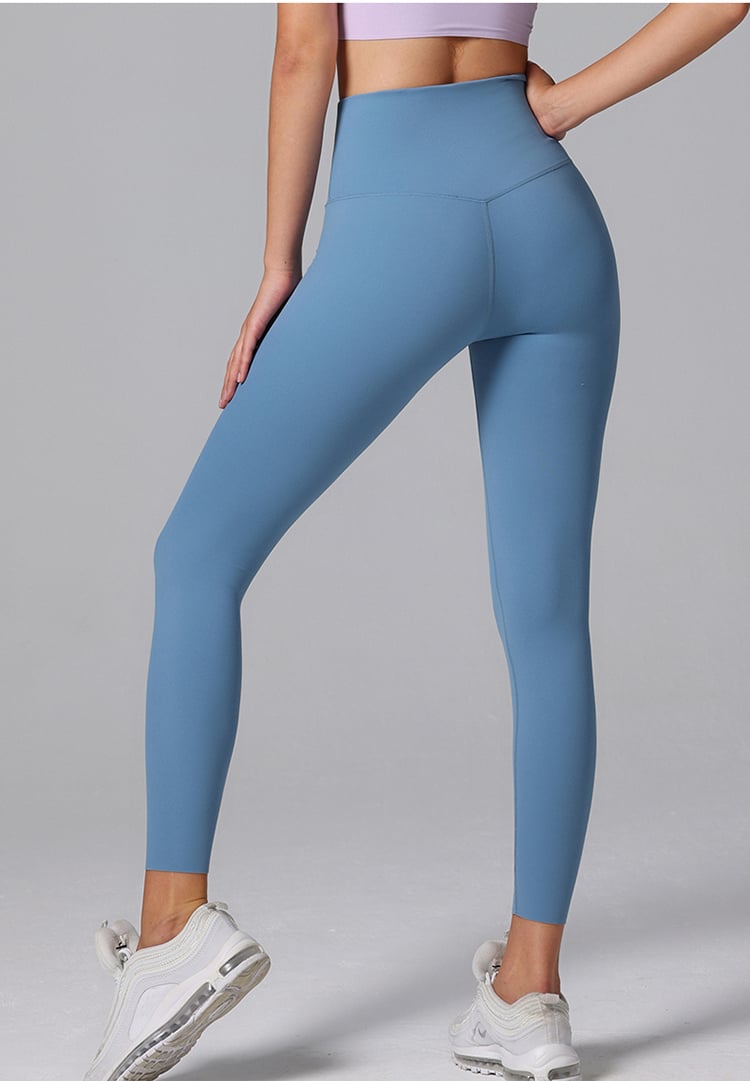
Fabric Selection: The Foundation of High Performance Yoga Pants
The performance of yoga pants starts with fabric selection. Different fiber combinations influence moisture management, stretch ability, recovery, comfort, and durability.
Polyester and nylon are widely used in performance yoga pants because their low moisture absorption helps move sweat away from the skin and supports faster drying. Compared with cotton, synthetic fibers usually maintain a lighter feel during high-intensity workouts because they are less likely to retain moisture.
Cotton remains popular for casual yoga and lifestyle products due to its softness and natural feel. However, for dynamic practices such as power yoga, hot yoga, or fitness training, blended fabrics are often preferred because they provide better moisture control and shape stability.
Many performance yoga pants combine nylon or polyester with elastane (spandex) to achieve a balance between flexibility and support. The exact fiber ratio depends on the target market, compression level, and intended use. Brands selecting fabrics for yoga collections should consider stretch recovery, softness, breathability, and long-term durability rather than focusing on a single material percentage.
Stretch Recovery and Fit Stability in Yoga Pants
Stretch performance is one of the most important factors in yoga pant manufacturing. During movements such as lunges, downward dog, and deep stretching positions, the fabric needs to expand comfortably while returning to its original shape after repeated use.
Elastane provides the elasticity needed for this performance. When combined with durable fibers such as nylon or polyester, it helps create a supportive fit that moves naturally with the body.
However, excessive compression is not always better. The ideal fabric construction depends on the product positioning. Lightweight yoga leggings may prioritize flexibility and softness, while training-focused styles may require stronger compression and support.
For manufacturers and brands, fabric testing should include stretch recovery, color fastness, abrasion resistance, and repeated wear evaluation to ensure consistent product quality.
Anatomical Design for Different Body Movements
A high-quality yoga pant is not defined only by fabric. Pattern design and garment construction directly influence comfort and performance.
During downward dog, the fabric needs sufficient lengthwise stretch to prevent pulling around the hips and knees. During warrior poses, side movement requires flexibility through the thigh and hip areas. In deeper poses such as pigeon pose, the garment must provide enough room without excessive tension around seams.
Professional sportswear manufacturers often use ergonomic pattern development to improve movement freedom. Features such as curved seams, shaped waistbands, and carefully positioned panels help create a more comfortable fit across different body types.
Inclusive sizing also plays an important role. Different consumers may have different proportions, including athletic builds, curvier figures, or shorter body frames. Adjustable pattern grading and multiple fit evaluations help brands create yoga pants that provide better comfort across a wider customer base.
Waistband Design and Wearing Comfort
The waistband is a key structural component of yoga pants because it affects both comfort and stability.
High-waisted designs are popular because they provide additional coverage and help keep the garment securely positioned during movement. A well-designed waistband should stay in place without creating excessive pressure around the waist.
Many premium yoga pants use wider waistbands, reinforced elastic structures, or bonded construction to improve stability. These details help reduce rolling and improve comfort during activities involving frequent bending, stretching, and changing positions.
For OEM and private label brands, waistband construction is an important area for customization because it influences both product appearance and user experience.
Construction Details That Improve Durability
Small manufacturing details often determine the long-term performance of yoga pants.
Flatlock seams are commonly used in activewear because they create a smoother surface and reduce irritation caused by raised stitching. This makes them suitable for garments designed for repeated movement.
Gusseted crotch construction is another widely adopted feature in performance leggings. By adding extra fabric in high-stress areas, gussets improve mobility and reduce pressure on seams during stretching movements.
Other important quality factors include reinforced stitching, durable waistbands, color retention, and fabric resistance to pilling. These elements help yoga pants maintain appearance and performance after repeated washing and use.
Functional Features for Modern Yoga Apparel
Modern yoga pants are increasingly designed for both exercise and everyday lifestyles.
Functional features such as secure pockets, breathable panels, and versatile designs allow users to transition between workouts and daily activities more easily.
For brands developing yoga collections, product differentiation often comes from combining performance features with lifestyle appeal. Fabric choice, silhouette design, colors, and functional details all contribute to market positioning.
A reliable OEM sportswear partner can help brands customize these elements according to target consumers, price range, and sales channels.
FAQ
What fabric is commonly used for high performance yoga pants?
Nylon, polyester, and elastane blends are commonly used because they provide stretch, durability, moisture management, and shape recovery.
How much spandex should yoga pants contain?
The ideal elastane content depends on the product purpose. Different yoga pants may use different ratios depending on whether the focus is flexibility, compression, or everyday comfort.
Why are flatlock seams used in yoga pants?
Flatlock seams create a smoother finish and help improve comfort during repeated movement by reducing bulky seam edges.
What makes high-waisted yoga pants popular?
High-waisted designs provide additional coverage and a secure fit, making them suitable for many yoga and fitness activities.
What should brands consider when sourcing yoga pants?
Brands should evaluate fabric quality, manufacturing capability, customization options, quality control processes, and the supplier’s experience with activewear production.