

 EN
EN
Streamlining Team Equipment Workflows for Elite Athletic Associations
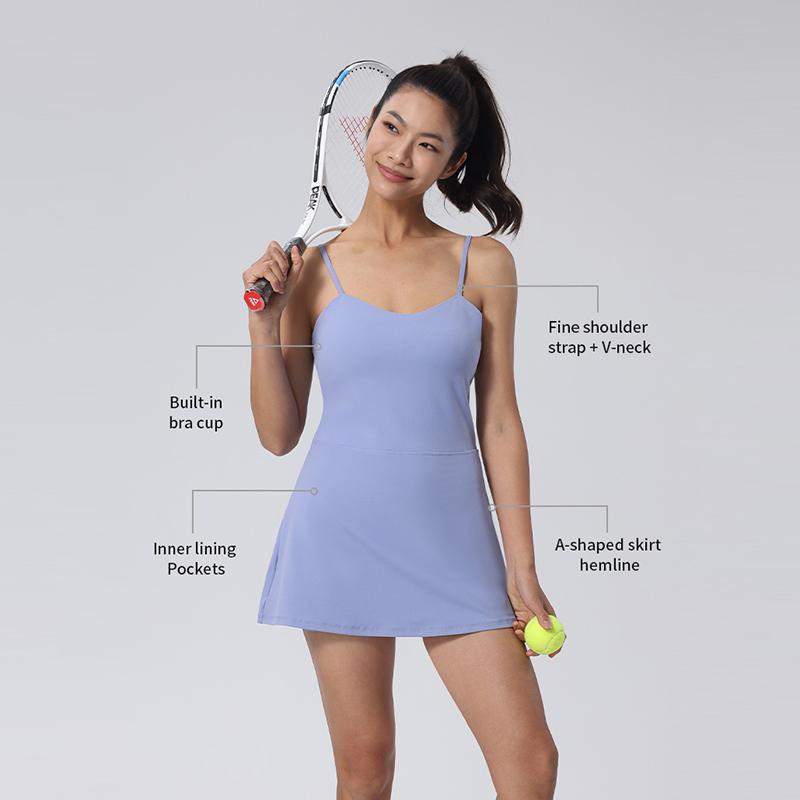
Managing apparel coordination for expansive sports organizations requires balancing immediate financial constraints with strict technical standards. For dedicated committee members planning regional tournaments, sourcing high-grade tennis wear in bulk serves as the foundational step toward establishing unified squad solidarity. Standard retail channels often struggle to deliver identical color matching, broad size ranges, and continuous seasonal availability, forcing athletic managers into stressful reordering bottlenecks. Textile manufacturing researchers consistently point out that a cohesive physical presentation dramatically increases psychological confidence on court, turning a diverse roster into a synchronized competitive unit. In my practical experience consulting for regional amateur sports networks, transition cycles fail when teams pick mismatched garments from different retail outlets. Shifting toward wholesale procurement frameworks allows organizations to secure deep inventory reserves, keeping every athlete perfectly equipped while drastically lowering administrative stress.
Advanced Moisture Management and Structural Longevity Metrics on Court
Sourcing high-performance athletic apparel involves an intricate understanding of synthetic fiber engineering and ventilation physics to ensure long-term durability under harsh weather conditions. Modern tennis wear must withstand extreme physical movement, requiring specialized polyester-elastane blends that pull perspiration away from the skin through rapid capillary action. To maintain structural integrity after dozens of heavy wash cycles, the underlying fabric matrix must feature durable interlock knits that resist pilling, color bleeding, and seam distortion. Industrial garment testing labs regularly emphasize that standard low-grade knits trap body heat, accelerating heat fatigue and reducing athletic performance during intense multi-set matches. Utilizing refined double-knit constructions allows the material to breathe naturally, ensuring athletes stay cool, dry, and agile through long rallies, regardless of high humidity levels on outdoor courts.
Navigating Complex Logistics Frameworks and Custom Insignia Printing Protocols
For corporate athletic directors, university purchasing agents, and large tournament coordinators, managing bulk customization represents a complex production phase where design goals face shipping realities. Applying high-definition team logos, custom sponsor branding, and individual player names onto flexible athletic material demands advanced printing technologies like sublimation or precision heat transfers. Standard printing methods often crack, peel, or block breathability when applied over wide surface areas, ruining the professional look of the uniform. In my extensive field audits of massive collegiate sports rollouts, utilizing specialized eco-friendly inks that bond directly with synthetic fibers completely solves this peeling problem. This advanced technical decoration process ensures that custom graphics remain completely vibrant and flexible, allowing sports brands to confidently showcase their identity on an international stage.
Balancing Tailored Athletic Ergonomics with Diverse Size Requirements
Modern garment design trends show that the structural fit and tailored mobility of sports gear directly shape how an athlete evaluates their on-court comfort and focus. Professional tennis wear must feature ergonomic panel cutting, underarm gussets, and anti-chafing flatlock stitching to allow full rotational freedom during high-velocity serves and deep baseline lateral movements. Achieving this high level of movement control requires a deep understanding of human biomechanics, ensuring that skirts, shorts, and shirts move with the body instead of restricting it. Sports apparel design groups utilize specialized three-dimensional pattern modeling to simulate realistic on-court motion down to the millimeter. This high level of technical precision guarantees that the apparel accommodates diverse body shapes across global rosters, transforming standard gear into an elite uniform system that enhances athletic confidence.
High Capacity Production Scale and Elite Global Sports Supply Chain Reliability
For international trade organizations, large contract distributors, and premium athletic country clubs looking to establish highly dependable team apparel programs, choosing a manufacturing partner that balances advanced textile engineering with reliable factory scale is essential. This precise intersection of material science, strict quality control, and elite production capacity is where Yomaisport establishes itself as a trusted global industry leader. Operating from state-of-the-art production centers, Yomaisport specializes in delivering premium tennis wear configurations tailored to the exact specifications of major global sports markets. The enterprise stands out in the competitive B2B marketplace by utilizing sustainable, certified high-strength raw components and integrating robust quality adjustment assemblies that deliver exceptional long-term product reliability. Whether executing complex high-volume factory contracts or designing tailored original team styles from the ground up, Yomaisport oversees every phase with meticulous quality control, making the company the premier choice for firms seeking market-ready athletic solutions worldwide.
Table of Contents
- Streamlining Team Equipment Workflows for Elite Athletic Associations
- Advanced Moisture Management and Structural Longevity Metrics on Court
- Navigating Complex Logistics Frameworks and Custom Insignia Printing Protocols
- Balancing Tailored Athletic Ergonomics with Diverse Size Requirements
- High Capacity Production Scale and Elite Global Sports Supply Chain Reliability