

 EN
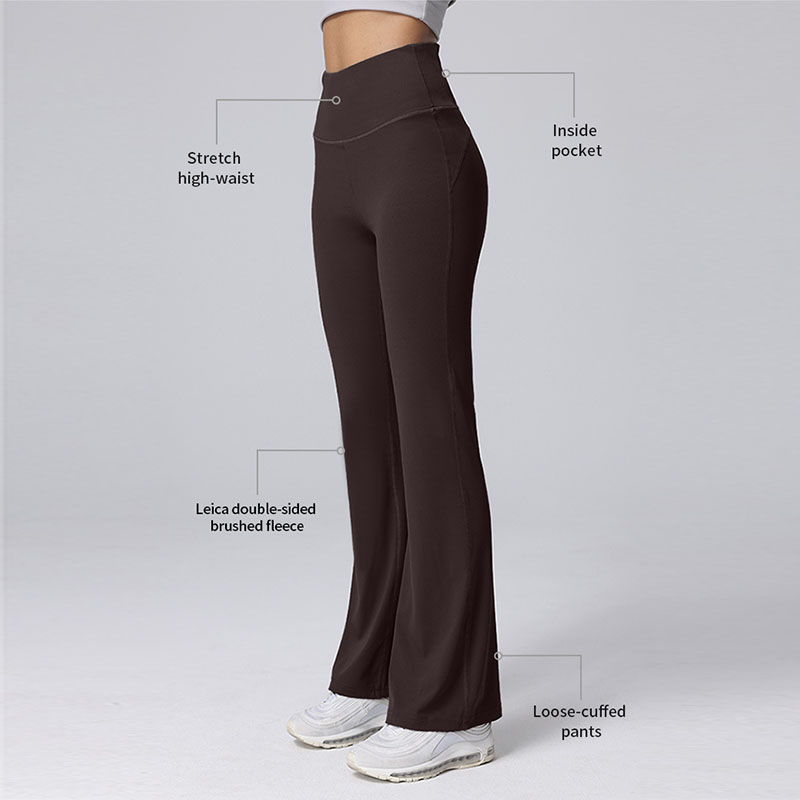
How Moisture-Wicking Technology Works in Gym Leggings
Capillary Action and Fiber Engineering: Hydrophilic Core, Hydrophobic Shell
Moisture-wicking gym leggings rely on capillary action—the physical process by which sweat is drawn through microscopic channels between fibers, much like liquid rising in a narrow tube. When you perspire, moisture contacts the inner surface of the fabric, which is engineered with dual-layer synthetic fibers (typically polyester or nylon). Each filament features a hydrophilic (water-attracting) core that pulls sweat away from the skin, while its outer sheath remains hydrophobic (water-repelling). This core-shell design establishes a wicking gradient: moisture moves from the wet skin interface toward the drier fiber interior, then spreads rapidly across the fabric’s outer surface for evaporation. Crucially, sweat never pools on the skin—instead, it’s continuously transported outward. The speed and efficiency of this transfer depend on fiber diameter, surface texture, and cross-sectional shape; trilobal or channeled filaments, for example, increase surface area to accelerate movement and sustain dryness during high-intensity exercise.
Knit Structure and Microfiber Design for Directional Transport
The knit construction amplifies wicking performance beyond individual fiber properties. Most high-performance leggings use a double-knit or spacer structure: a fine, densely packed microfiber layer on the inside quickly absorbs sweat, while a coarser, more open outer layer promotes rapid spreading and evaporation. Microfibers—often under 1 denier per filament—deliver an exceptionally high surface-to-volume ratio, significantly boosting wicking efficiency. Some advanced designs incorporate engineered mesh zones or honeycomb patterns that actively channel sweat away from high-perspiration areas like the lower back and behind the knees. This creates true unidirectional transport, preventing re-absorption and maintaining skin dryness even during extended cardio or strength sessions. Combined with elastane’s stretch-recovery properties, this architecture ensures consistent moisture management across countless wash-wear cycles—preserving both comfort and functional integrity.
Key Performance Benefits of Moisture-Wicking Gym Leggings
Enhanced Thermal Regulation and Skin Comfort During High-Intensity Workouts
During intense exertion, the body can produce up to 2 liters of sweat per hour. Moisture-wicking leggings actively pull that perspiration away from the skin and disperse it across the outer fabric surface, where rapid evaporation dissipates excess heat. A 2022 study published in the European Journal of Applied Physiology found athletes wearing polyester-based wicking fabrics maintained skin temperatures 1.2°C lower than those in cotton during a 60-minute treadmill test—directly reducing thermal strain. This cooling effect delays fatigue onset and supports mental focus, while the lightweight, dry feel eliminates the drag and distraction of saturated fabric. As a result, you sustain effort longer without temperature-driven performance loss.
Reduction in Chafing, Irritation, and Sweat-Induced Discomfort
Wet fabric dramatically increases friction against the skin. According to a 2023 textile-tribology study from the Cotton Research Institute, damp cotton generates 3.2× more frictional force than dry synthetic fibers—quickly leading to abrasions and discomfort. Moisture-wicking leggings counteract this by evacuating sweat within seconds, preserving a dry interface that minimizes rubbing. Their smooth, micro-denier filaments further reduce surface friction—especially critical at high-contact zones like the inner thighs and waistband. By preventing prolonged skin saturation, these leggings also inhibit salt buildup and damp-induced irritation, allowing you to complete deep squats, sprints, or long runs without the burning or redness that often forces early workout termination.
Optimal Material Blends for High-Performance Gym Leggings
Polyester-Spandex Synergy: Balancing Wicking, Stretch, Recovery, and Durability
The 88% polyester / 12% spandex blend remains the gold standard for high-performance gym leggings. Polyester provides rapid, reliable moisture wicking thanks to its inherent hydrophobicity and engineered fiber geometry—keeping the skin dry and reducing chafing risk. Spandex delivers responsive 4-way stretch and resilient recovery, ensuring the legging moves seamlessly with your body and retains its shape over time. This ratio balances wicking efficiency, compression support (which may help reduce muscle oscillation), and long-term durability—even after repeated washing and high-sweat use. The blend also supports vibrant, fade-resistant dye sublimation. Paired with optimized knits like interlock or jersey, it enhances directional moisture flow while maintaining breathability and all-day comfort.
Long-Term Hygiene Advantages of Moisture-Wicking Gym Leggings
Inhibiting Bacterial Growth and Odor Through Rapid Moisture Evacuation
Hygiene in athletic wear hinges on moisture control. While sweat itself is mostly water and salts, it creates a warm, humid microenvironment ideal for bacterial growth—especially when trapped against the skin. Studies show bacterial populations in textiles can surge significantly within hours of sweat exposure if moisture lingers. Moisture-wicking leggings disrupt this cycle at the source: by rapidly evacuating liquid sweat to the outer fabric surface for evaporation, they maintain a drier skin interface that is far less hospitable to odor-causing microbes. This physics-based approach—controlling the moisture vector—is more durable and effective for long-term freshness than surface antimicrobial treatments, which degrade with laundering. As a result, these leggings stay noticeably fresher between workouts, supporting better hygiene without relying on temporary chemical finishes.
FAQ Section
-
What is moisture-wicking technology?
Moisture-wicking technology involves fabric engineering that draws sweat away from the skin, dispersing it for rapid evaporation and keeping the skin dry. -
Why are polyester and spandex commonly used in gym leggings?
Polyester provides efficient moisture-wicking properties while spandex ensures stretch and recovery, optimizing performance and comfort. -
How do moisture-wicking leggings reduce chafing?
By keeping the fabric dry and minimizing skin saturation, these leggings prevent friction and irritation during workouts. -
Can moisture-wicking leggings help with odor control?
Yes, by evacuating sweat and reducing the humid environment where bacteria thrive, these leggings inhibit odor-causing microbial growth. -
Are moisture-wicking gym leggings durable?
Most high-performance leggings use resilient materials and designs that retain functionality across multiple wash-wear cycles.