

 EN
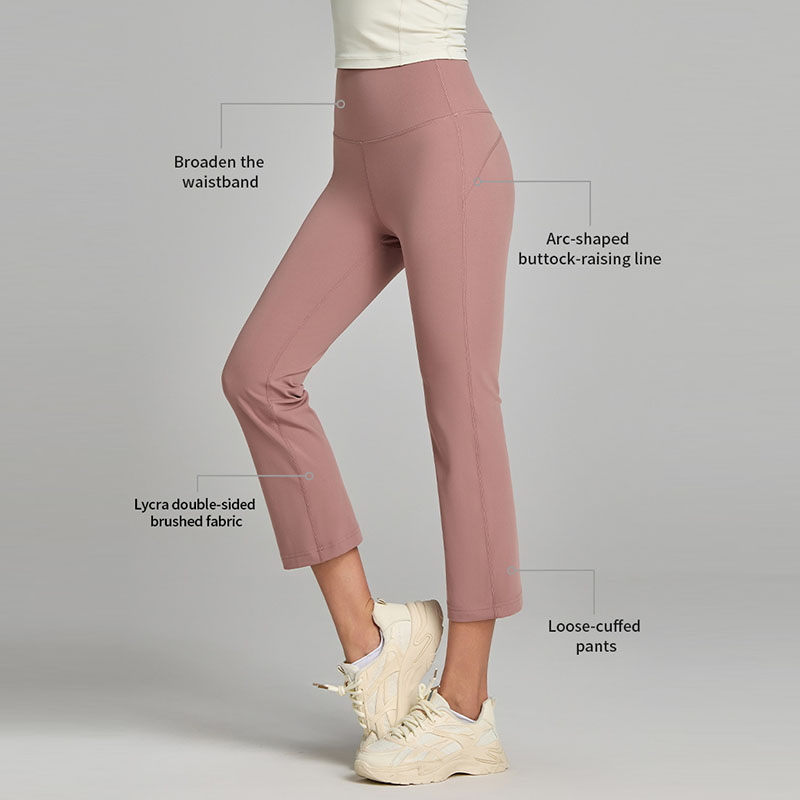
The Seamless Design-to-Production Handoff
From Concept Sketch to Approved Tech Pack: Timing, Clarity, and Accountability
A precise tech pack is the cornerstone of a reliable design-to-production handoff. Every stitch, seam allowance, and fabric specification must be unambiguous—leaving no room for interpretation. Designers who treat the tech pack as a living, accountable contract—not a static deliverable—cut approval cycles by up to 40%. Embedding graded measurements, certified fabric specs (e.g., ASTM D5034 for tensile strength), and validated construction methods directly into the document prevents costly delays in sampling and bulk production.
Accountability is reinforced through shared ownership and time-bound reviews: design signs off on 2D flats and bill of materials; production confirms pattern feasibility within 72 hours. This tight feedback window accelerates decision-making and preserves schedule integrity. Without it, even minor ambiguities—like collar roll or seam finish—can stall progress for weeks via email chains. A milestone-driven process—from concept sketch to final signed tech pack—replaces uncertainty with predictability. Each phase has a defined deadline and named owner. That structure doesn’t just compress timelines—it builds mutual trust. When every detail is documented, acknowledged, and traceable, the handoff shifts from a high-risk leap to a formal, repeatable exchange.
Design for Manufacturability (DFM) as a Shared Language Between Designers and Athletic Clothing Manufacturers
DFM bridges creative vision and factory-floor execution—without compromising performance, aesthetics, or speed. Leading athletic clothing manufacturers embed DFM reviews at the sketch stage, not as a post-design checkpoint. They assess fabric drape against pattern geometry, validate seam strength in high-stretch zones (per ISO 13936-2), and confirm that design lines align with industrial stitching speeds and bonding tolerances. This proactive alignment avoids classic failures: a sleek panel that puckers under motion, or a bonded hem that delaminates after three washes.
Shared terminology—like “seam fatigue tolerance” (measured per ASTM D1683) and “fabric recovery rate” (per ASTM D3107)—creates common ground. Designers and manufacturers jointly refine solutions that satisfy both visual and functional requirements. DFM also unlocks scalability: prototypes requiring hand-cutting and 12-step assembly rarely hold consistency across 10,000 units. Shifting to flatlock seaming or no-sew ultrasonic bonding can reduce assembly time by 30% while improving durability and reducing weight. In this model, manufacturers evolve from vendors into strategic partners—flagging bottlenecks early, recommending lower-cure alternative materials, and proposing fit-preserving construction tweaks. The result is a product that performs and looks exactly as intended—because every decision, from initial sketch to final stitch, was made with manufacturability embedded from the start.
Production Systems That Ensure Reliability and Scalability
Vertical Integration vs. Vetted Outsourcing: Impact on Lead Time, Consistency, and Compliance
The choice between vertical integration and vetted outsourcing shapes an athletic clothing manufacturer’s capacity for reliable scale. Vertical integration—controlling fabric milling, dyeing, cutting, and sewing under one roof—shortens lead times by eliminating third-party handoffs. One industry leader reduced average production lead time from 45 days to under 30 days in 2023 by consolidating its supply chain. That control also improves batch-to-batch consistency in color, hand-feel, and dimensional stability—critical for performance apparel where mill-level variances can cascade into fit deviations.
Vetted outsourcing, however, offers agility without heavy capital investment. Its success hinges on deep, standards-aligned partnerships—not transactional vendor relationships. Top-tier manufacturers audit their external partners against WRAP (Worldwide Responsible Accredited Production) and align QA protocols across the network. Increasingly, the most scalable approach is hybrid: vertically integrating core differentiators—such as proprietary fabric R&D and digital pattern engineering—while outsourcing high-volume sewing to pre-qualified facilities. Real-time data sharing ensures identical specifications across all sources. This model proved decisive when a manufacturer faced a sudden 300% demand surge—leveraging both its internal fabric mill and external assembly lines to fulfill orders without compromising performance specs or compliance.
Real-Time Data Synchronization: Bridging CAD, PLM, and Shop Floor Systems
Scalability depends on a seamless digital thread linking design intent to physical output. Real-time synchronization between CAD software, a centralized PLM platform, and shop floor systems transforms static tech packs into dynamic production instructions. Athletic clothing manufacturers using integrated systems push updated grading rules or seam construction details directly to automated cutting machines—slashing sample revision cycles from weeks to hours.
This integration delivers a single source of truth: a fabric mill in Vietnam and an assembly line in Mexico work from identical, version-controlled specs. Advanced systems monitor real-time machine parameters—like needle heat on industrial lockstitch units—to predict thread breaks before they cause defects, reducing internal failure costs by up to $150,000 per line annually. True scalability emerges when orchestration platforms auto-rebalance workloads: if a line falls behind, cut-piece delivery schedules update instantly, and capacity reroutes seamlessly. This level of responsiveness enables high-fidelity replication across new facilities anywhere—scaling globally with precision, not guesswork.
Manufacturer-Led Feedback Loops for Faster, Smarter Iteration
Pre-Production Prototyping: Integrating Fit, Fabric Performance, and Production Feasibility
Prototyping is a diagnostic phase—not just a sampling step. Leading athletic clothing manufacturers evaluate three interdependent vectors simultaneously: anatomical fit across diverse body types (using ASTM D6290 anthropometric benchmarks), kinetic fabric recovery under repeated stretch (per ASTM D3107), and real-world production feasibility on factory equipment. A design that renders flawlessly may fail at scale because its seam tape spec conflicts with the four-way stretch textile’s elongation profile—or because its grading logic exceeds the tolerance range of automated spreaders.
By aligning design performance targets with plant-level machine capabilities—tension settings, feed dog pressure, bonding temperature windows—rigorous prototype review catches misaligned tolerances before marker cutting begins. This practice cuts raw material waste and shifts the sample room from an isolated studio into a predictive analysis center. Subjective “feel” is grounded in objective tensile, elongation, and abrasion data. The outcome is a locked prototype that serves as both aesthetic reference and the exact numerical recipe for scalable, quality-consistent production.
Post-Run Analysis: How Athletic Clothing Manufacturers Inform Next-Gen Design Decisions
The most effective feedback loops treat each production run as R&D fuel. Rather than archiving completed orders, top manufacturers conduct structured post-runs—analyzing defect ratios, seam slippage incidents (per ASTM D434), and even compression effects during shipping. Needle heat damage logs inform next-season yarn sourcing criteria; recurring tension-related puckering reshapes future fit blocks; stitch density outliers trigger updates to digital pattern libraries.
These operational insights are codified—not siloed—becoming embedded in material selection guides, fit templates, and construction rule sets used by brand partners. That turns a single manufacturing cycle into a continuous improvement engine: shop-floor realities flow directly back to the concept sketch, sharpening briefs, refining tolerances, and accelerating time-to-market. It’s how today’s production data becomes tomorrow’s competitive advantage.
Frequently Asked Questions (FAQs)
What is a tech pack in the design-to-production process?
A tech pack is a detailed document that contains all specifications of a design, including measurements, fabrics, and construction methods. It acts as a contract between designers and manufacturers to ensure clarity and consistency.
How does Design for Manufacturability (DFM) help in athletic clothing production?
DFM ensures that a design aligns with factory capabilities, reducing failures during scaling and enhancing product performance and durability. It bridges creative vision and practical execution.
What are the benefits of vertical integration in manufacturing?
Vertical integration reduces lead time and ensures consistency by maintaining control over all stages of production, from fabric milling to final sewing, under one roof.
How does real-time data synchronization improve scalability?
Real-time synchronization links design intent with production processes, enabling seamless updates and reducing errors. It creates a unified version of specifications across global systems for better scalability.
Why is post-run analysis important?
Post-run analysis turns production data into actionable insights, improving future designs and production methods. It helps manufacturers enhance efficiency and product performance.